
There is a moment Phoebe Kufeyani describes that stays with you.
A girl had gone quiet. Not just reserved but completely withdrawn. Stopped eating. Stopped talking. The matrons who cared for her at the boarding home noticed first, and she did what she always do when something is wrong. She called Phoebe.
"I created a safe space," Phoebe recalls. "Distance from the center. We sat down. I bought her a soda. She wasn't opening up right away, so I started asking about different areas of her life. Friendships. School. Her mother who she had not seen in a while."
Slowly, the pieces came together.
The girl's mother had lost her job. There was nothing left to support the family.
The weight of that (the uncertainty, the helplessness of watching a parent struggle) had settled into this child like something too heavy to carry alone.
By the time she returned to the centre, she was eating again. Asking to go back to school.
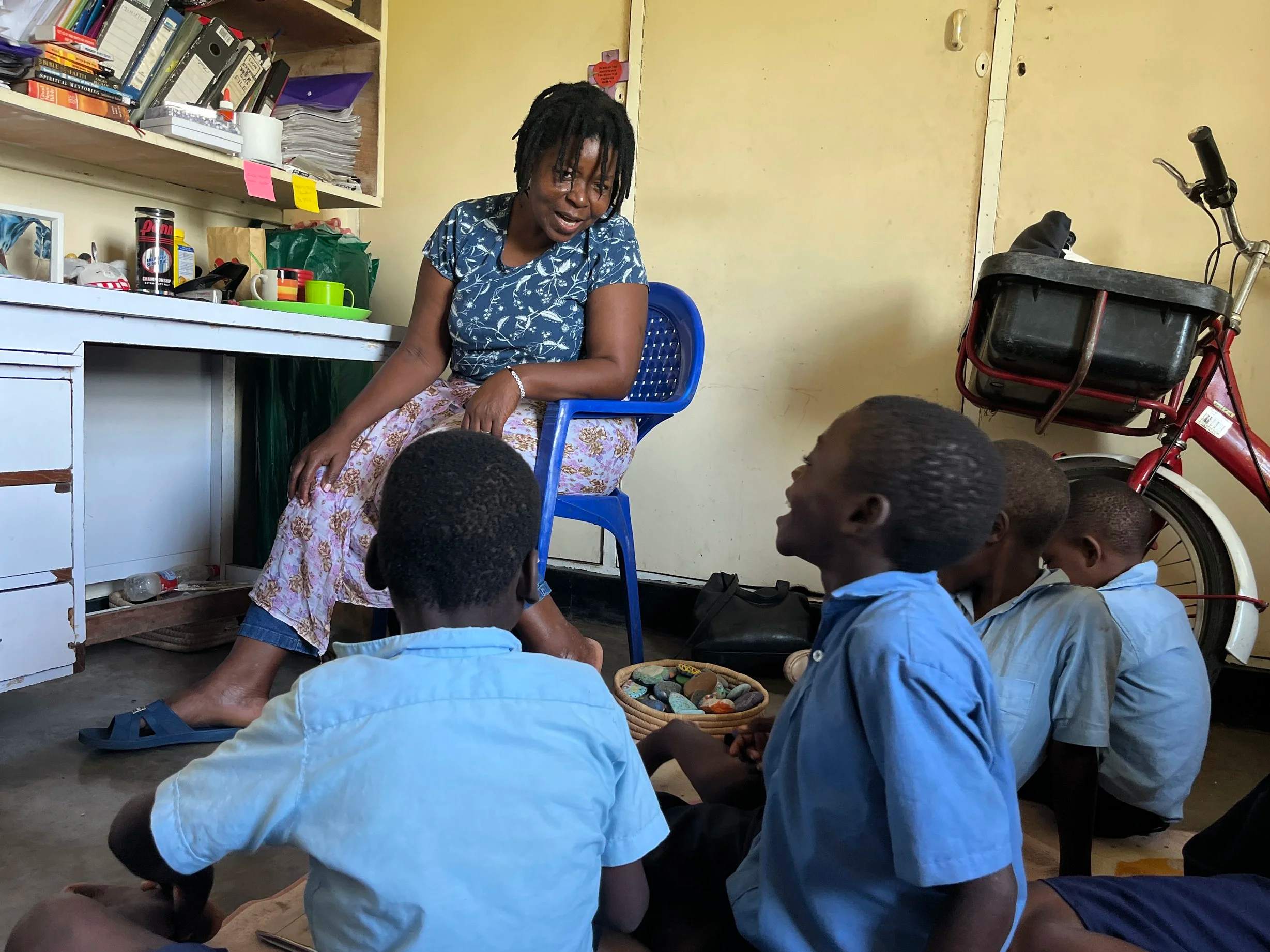
This is Phoebe's work. And most of it is invisible.
Building what can't be rushed

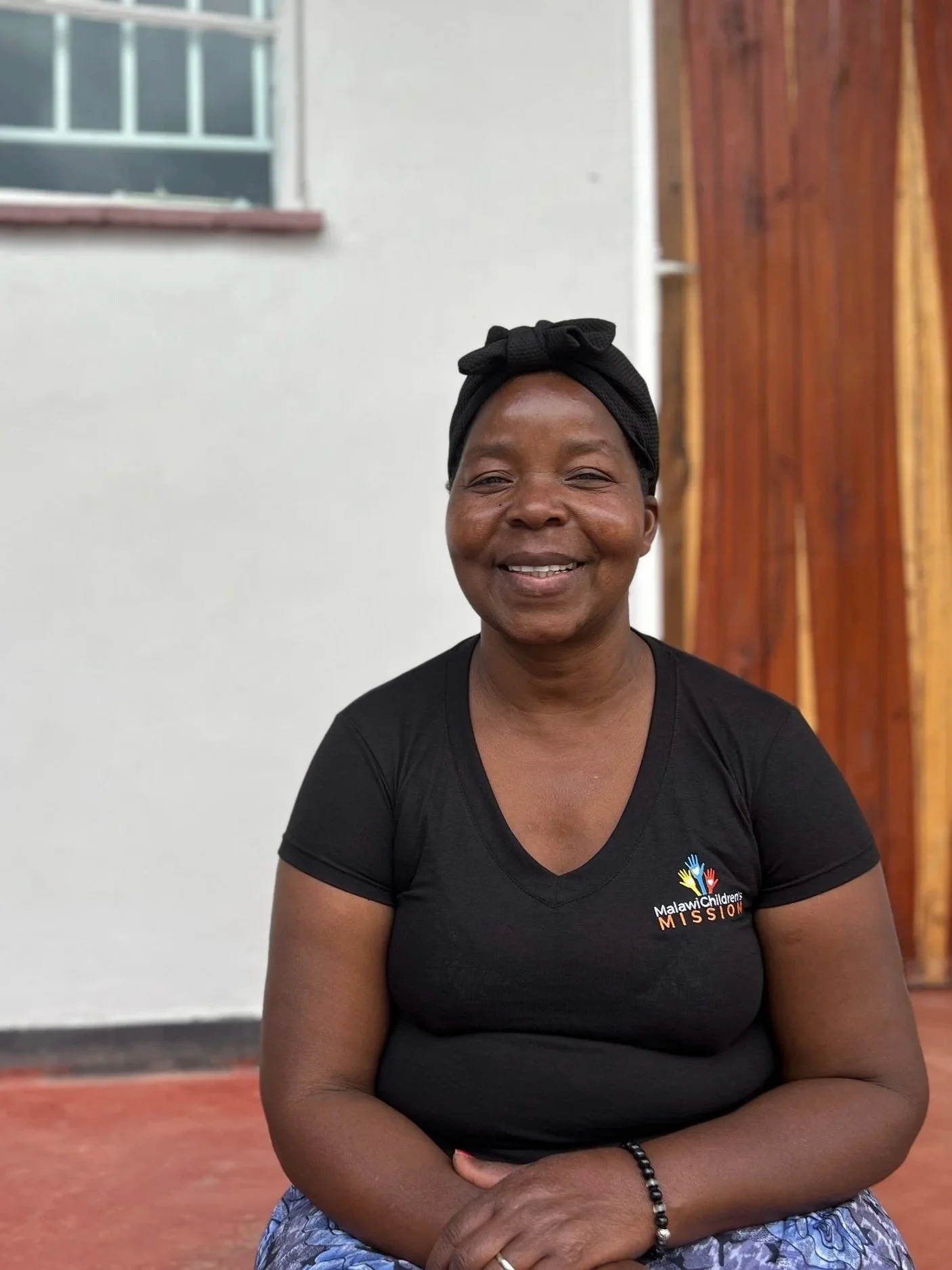
Phoebe Kufeyani is MCM's Social Services Director. The first person on the ground, before the foundations are dug, meeting with village chiefs to seek out those children and families most in need of services.
She has spent years inside the same community, inside the same families, inside the lives of children who came to MCM as young as preschool age and are now becoming teachers, nurses, journalists and community planners.
Her role is officially defined as counseling, home visits, family assessments, and child protection.
In practice, it is the art of knowing which child is struggling before they say so, which family needs guidance before a situation becomes a crisis, which guardian is doing their absolute best with almost nothing.
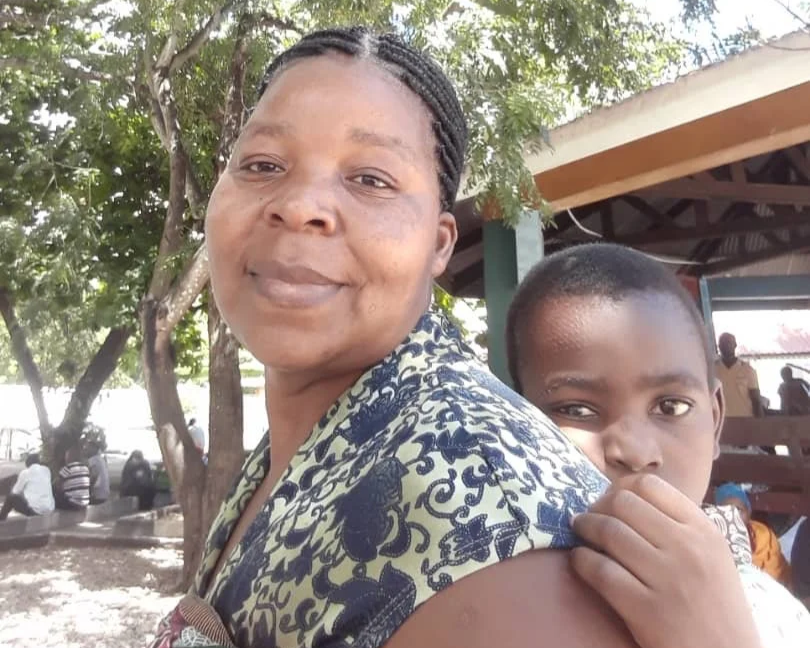
"Relationship building comes first," she says simply. "You encounter a new child, and that child needs to feel comfortable. Safe. Loved. That building is ongoing, every single day."
Many have lost one or both parents. Many live with extended families who love them but are stretched past capacity which leads to less food, unequal treatment, quiet exclusions that compound over time.
.
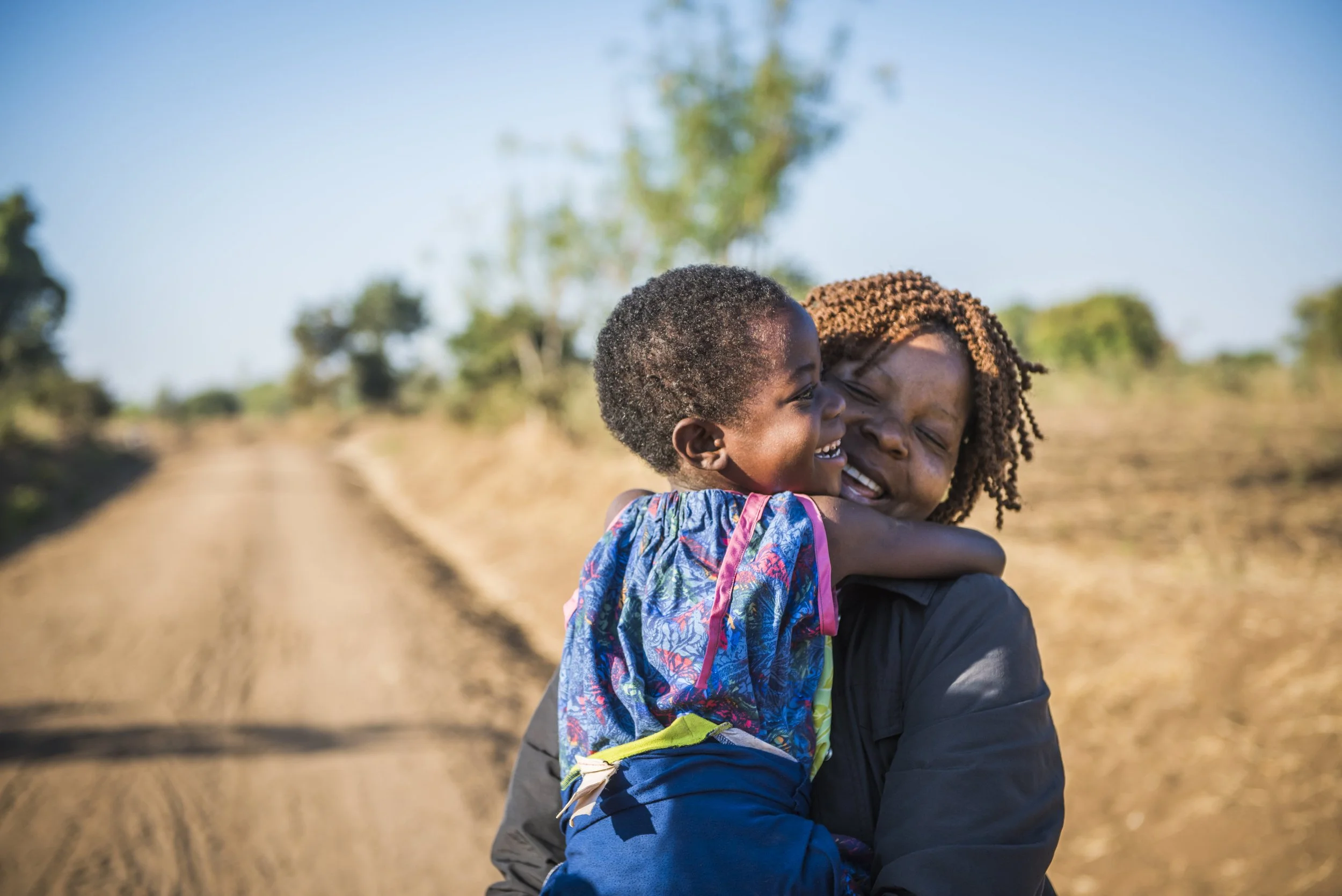
Phoebe describes these moments without judgement, "MCM fills in that gap. Extended families can't always feed them well, nor have that capacity. My job is to guide families on how to bring another child in, how to stretch it, how to find equality."
She works with guardians managing mental illness.
She supports children through grief. She has sat with families whose circumstances would exhaust anyone, and she has kept going.
The invisible architecture
There is a phrase the people at MCM use for what Phoebe does. They call it "behind the scenes."
"The behind-the-scenes work," Phoebe describes it, "is building children who will be ‘real citizens’. Children who are independent. Who have integrity. Who have empathy. Who will go back into their communities and make a difference."
It doesn't show up in a graduation photo. It doesn't fit on a statistic.
But it is present in every child who learns how to trust again, every guardian who starts parenting differently, every family that finds a little more equilibrium because someone came alongside them and said: here is how we do this together.
One story illustrates it simply. Jackson lost his mother before he was six months old. He lived with his grandmother - and then lost her too.
He was traumatized, convinced that no one loved him. Phoebe created a memory box for him, a place to put photographs and objects that let him hold onto the one relationship that had mattered most.
She shared the context with staff members so that everyone who interacted with Jackson understood what he was carrying.
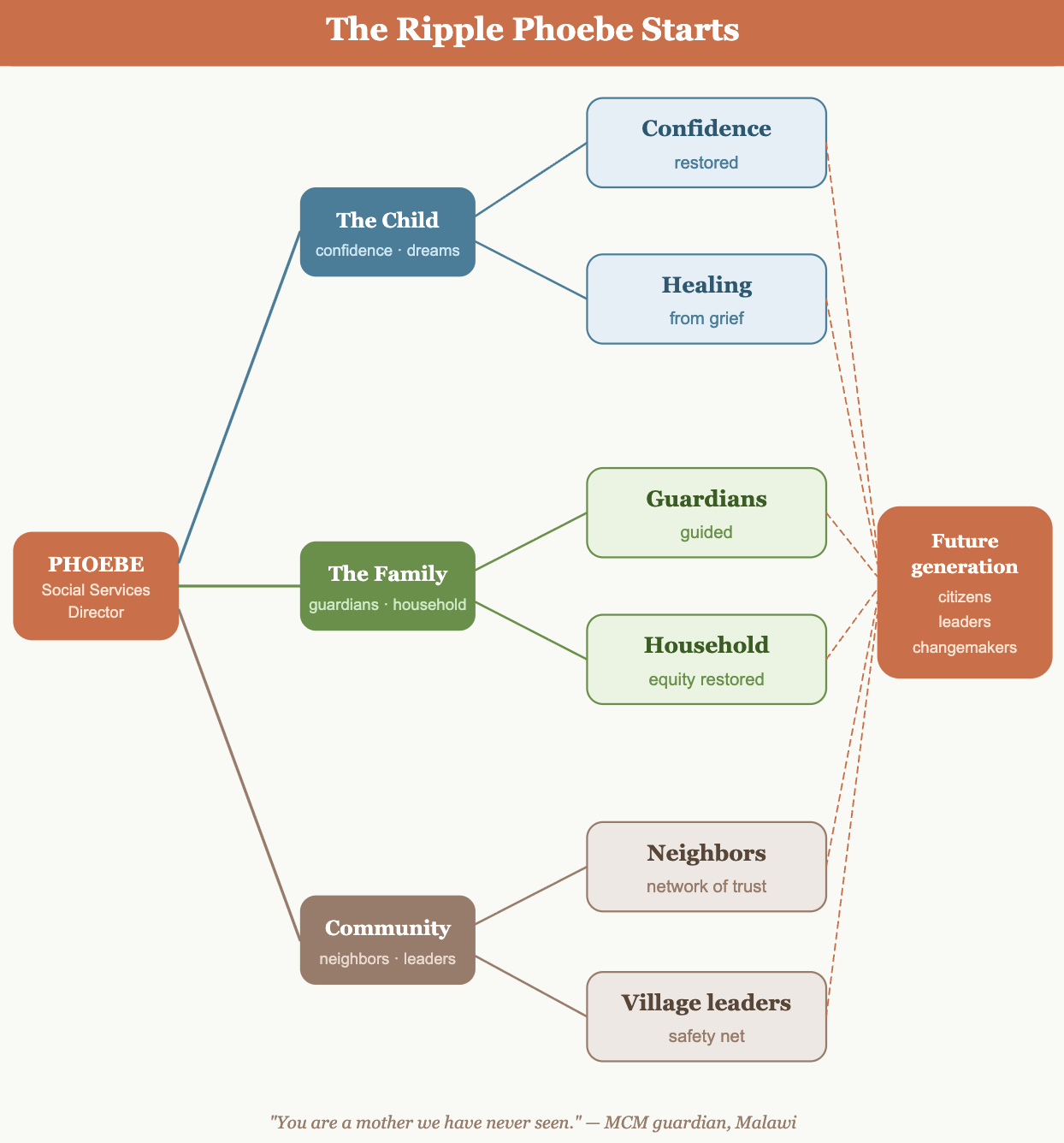
That is the ripple effect.
One child, held carefully, understood fully, by an entire community of people who have been given the context to do so.
Whatever it is, the way you tell your story online can make all the difference.
What guardians told her
At a gathering of families, a guardian stood up and said something Phoebe wasn't prepared for.
"You are a mother we have never seen. We see you following our children like they are your own. You never get tired. Today I stand here telling you, you are a wonderful person."
Phoebe pauses when she recalls it.
"I never noticed," she says, "that I was making a change to that extent."
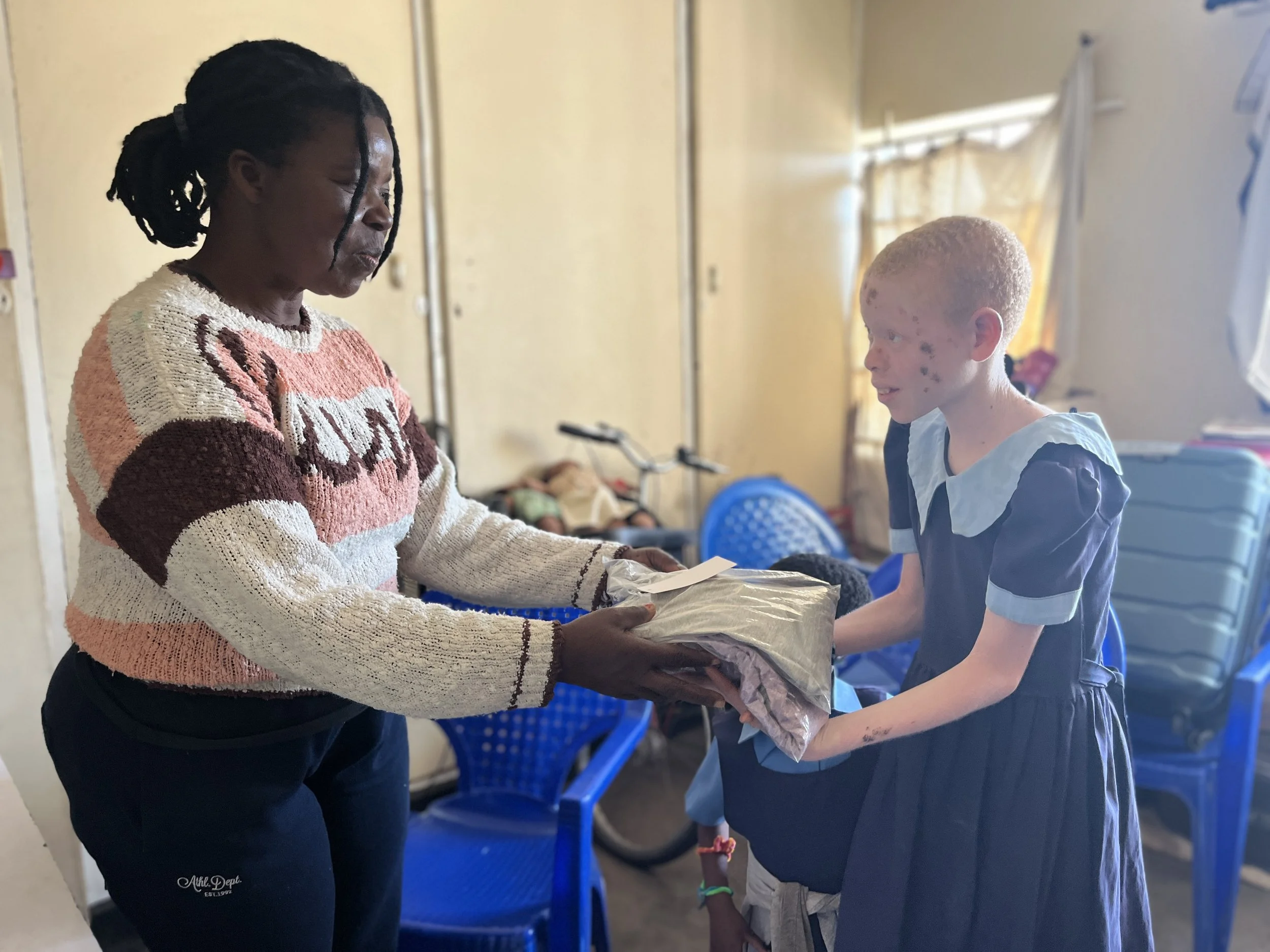
This is the ripple effect MCM talks about when it talks about community.
Not programs.
Not deliverables.
A woman who has spent years learning every child's name, every family's story, every crack in the foundation and filling it, quietly, one relationship at a time.
This June, we are telling that story.
Because the work beyond our walls is just as sacred as the work within them.
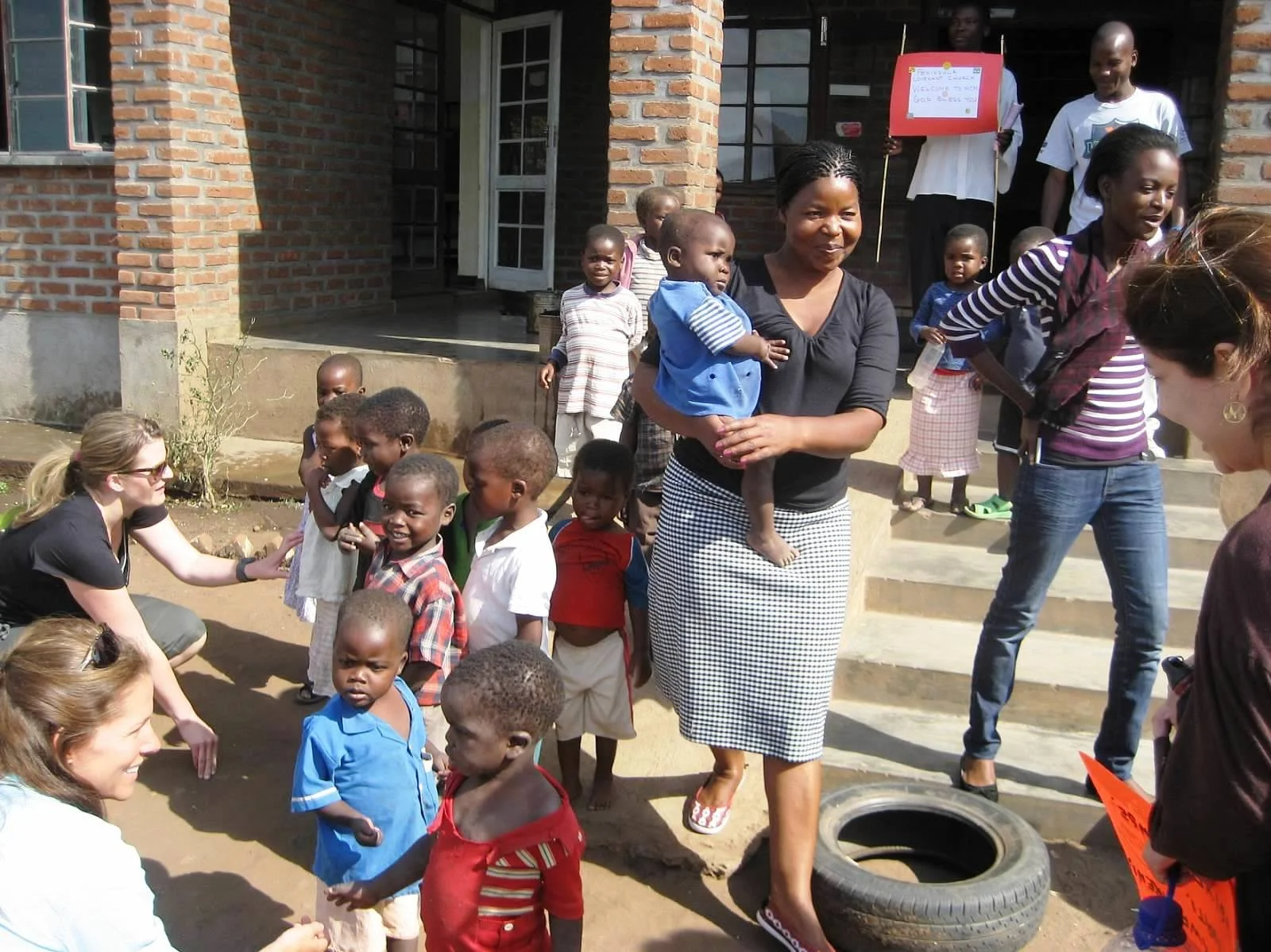
Malawi Children's Mission has served 307 children in Malawi for 19 years. Learn more at malawichildrensmission.org
